A Comprehensive Guide to Selecting the Right Hardwood for Your Space Jan 09, 2026
Understanding Different Hardwood Species
The first step in choosing hardwood flooring is familiarizing yourself with different wood species. Each species has unique characteristics, such as hardness and color variations. Oak, for instance, is highly popular due to its durability and classic look. Maple offers a lighter, contemporary feel, making spaces appear brighter. Cherry, with its rich tones, adds a touch of elegance and warmth. It’s important to assess the traffic in the area where the flooring will be installed. In high-traffic areas, harder woods like hickory or oak are advisable.
Matching Wood Finish to Room Style
Finish plays a critical role in defining the overall look of your floor and must complement your existing decor. A high-gloss finish adds an element of sophistication and is ideal for modern settings. For a more rustic or antique feel, a matte or hand-scraped finish might be more appropriate. Finishes also affect the maintenance requirements of flooring. Glossy finishes may require more frequent cleaning and polishing, whereas matte finishes are more forgiving in hiding imperfections.
Considering Color and Grain Patterns
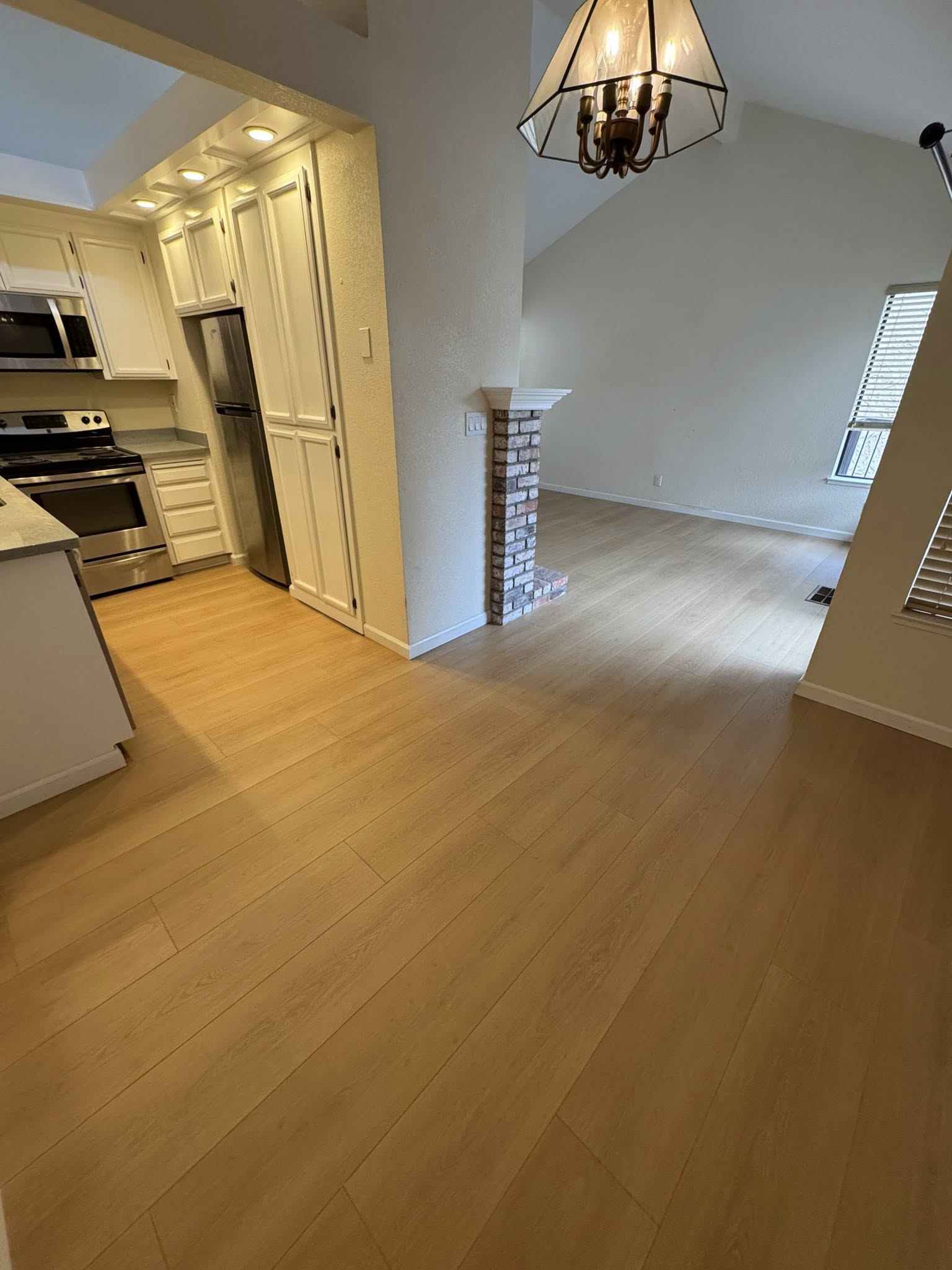
Color and grain are pivotal in determining how well your floor complements your space. If you have a smaller room, lighter woods can make the area feel more expansive. Conversely, darker woods can add warmth and coziness to larger spaces. Grain patterns vary from the straight-grained, sleek look of maple to the pronounced and unique swirls found in cherry. Consider your furniture and wall colors, ensuring consistency between your floor’s color and the overall design of the space.
Evaluating Installation and Maintenance Needs
Before settling on a hardwood type, it’s crucial to consider the installation process and long-term maintenance. Some hardwoods are designed for easy installation, which can be a deciding factor if you plan to tackle the project on your own. Tongue-and-groove construction or click-lock designs are user-friendly and a great choice for do-it-yourself enthusiasts. Additionally, understanding the maintenance needs is essential. High-traffic areas may benefit from woods that have been sealed properly to resist wear and tear. Also, factor in your willingness to perform regular maintenance like sweeping, mopping, and refinishing.
Setting a Budget
Lastly, budget plays a significant role in determining which hardwood floor is right for you. While exotic species like mahogany can be more expensive, they offer unique patterns and colors that add distinctiveness to your home. Meanwhile, domestic woods like oak or ash provide cost-effective yet stylish alternatives. When budgeting, consider the amount of flooring needed, any additional supplies required for installation, and potential long-term maintenance costs.
In conclusion, choosing the right hardwood for your space requires thoughtful consideration of species, finish, color, and budget. By understanding these different aspects, you can make a choice that not only enhances the beauty of your space but also stands the test of time. At Unique Hardwood Floors, we are dedicated to helping you find the perfect match for your home or office. Whether you're opting for a classic oak floor or exploring the elegance of cherry, we are confident that the ideal hardwood floor is just waiting to be discovered.